
How Do Household Coffee Percolators Improve Everyday Brewing?
Abstract
Household coffee percolators remain one of the most enduring and practical brewing methods for coffee enthusiasts who value consistency, aroma, and control over their morning cup. Unlike modern single-serve machines, percolators rely on a continuous brewing cycle that extracts deep flavor from coffee grounds through repeated water circulation. This article explores how household coffee percolators work, their advantages, common challenges users face, and how to choose and maintain one effectively. It also provides a structured buying guide, practical tips, and frequently asked questions to help users make informed decisions and improve their brewing experience.
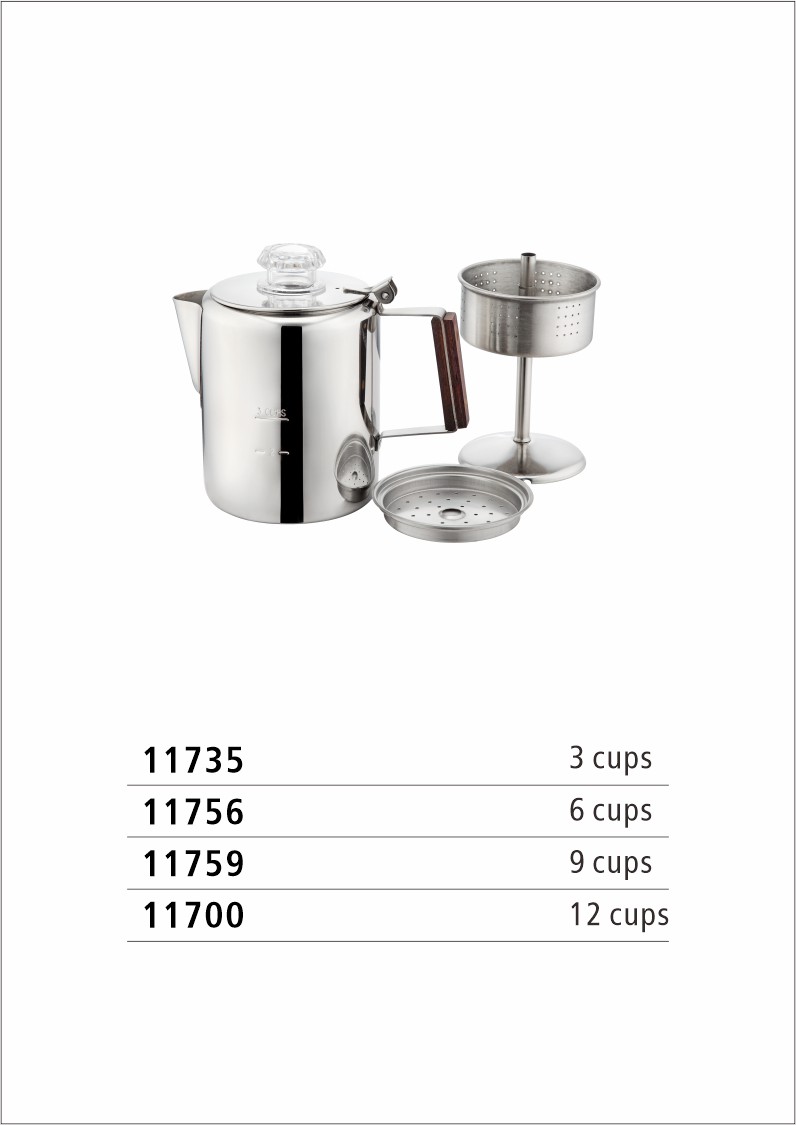
Table of Contents
- Outline Overview
- What Is a Household Coffee Percolator?
- How Percolators Work
- Key Benefits
- Common User Pain Points
- Buying Guide
- Maintenance and Care
- Percolator vs Other Brewing Methods
- Frequently Asked Questions
- Conclusion
Outline Overview
This article breaks down household coffee percolators from both technical and practical perspectives. It explains the brewing mechanism, evaluates user experience, compares alternatives, and provides actionable recommendations for selecting and maintaining a percolator. Whether you are a beginner or an experienced coffee drinker, the goal is to help you optimize flavor, convenience, and durability.
What Is a Household Coffee Percolator?
A household coffee percolator is a traditional brewing device designed to cycle boiling water through coffee grounds repeatedly until the desired strength is achieved. It typically consists of a lower water chamber, a central tube, a perforated basket for coffee grounds, and a lid. Percolators are available in stovetop and electric versions, both widely used in home kitchens.
Unlike drip coffee makers, percolators actively reintroduce brewed coffee back through the grounds multiple times. This creates a stronger and often more robust flavor profile, which appeals to users who prefer bold coffee.
How Household Coffee Percolators Work
The brewing process in a percolator is based on heat-driven circulation. When water in the bottom chamber is heated, it rises through a central tube and disperses over coffee grounds. The liquid then filters back down into the chamber, repeating the cycle until optimal extraction is achieved.
- Step 1: Water is heated in the lower chamber.
- Step 2: Pressure pushes hot water up the central tube.
- Step 3: Water is distributed over coffee grounds in the basket.
- Step 4: Brewed coffee drips back down and cycles again.
:contentReference[oaicite:0]{index=0}
This repeated cycling is what gives percolated coffee its characteristic strength, but it also means brew time must be carefully managed to avoid over-extraction.
Key Benefits of Household Coffee Percolators
- Strong Flavor Output: Ideal for users who prefer bold coffee profiles.
- Durability: Stainless steel and aluminum models can last many years.
- No Paper Filters Required: Reduces ongoing cost and waste.
- Energy Flexibility: Stovetop models work without electricity.
- Large Capacity Options: Suitable for families or gatherings.
Common User Pain Points
Despite their advantages, household coffee percolators present certain challenges that users should understand:
- Bitterness Risk: Over-brewing can lead to excessive extraction.
- Learning Curve: Timing and grind size require adjustment.
- Sediment Presence: Fine grounds may pass into the brew.
- Heat Sensitivity: Requires monitoring for consistent results.
These issues are not flaws in design but rather characteristics of the brewing method. Proper technique significantly reduces most of these concerns.
Buying Guide for Household Coffee Percolators
Choosing the right percolator depends on usage habits, material preference, and brewing volume needs. The table below outlines key factors to consider:
| Factor | Recommendation | Why It Matters |
|---|---|---|
| Material | Stainless Steel | Better heat retention and durability |
| Capacity | 6–12 cups | Suitable for most households |
| Type | Electric or Stovetop | Electric for convenience, stovetop for control |
| Filter System | Fine mesh basket | Reduces sediment in final brew |
Maintenance and Care Tips
Proper maintenance ensures longevity and consistent coffee quality. Key practices include:
- Rinse all components immediately after use.
- Deep clean weekly using mild detergent.
- Avoid abrasive scrubbers to prevent surface damage.
- Descale periodically if using hard water.
Consistent cleaning prevents oil buildup, which can negatively affect flavor over time.
Percolator vs Other Brewing Methods
| Method | Flavor Profile | Ease of Use | Control Level |
|---|---|---|---|
| Percolator | Strong, bold | Moderate | High |
| Drip Coffee | Balanced | Easy | Medium |
| French Press | Rich, full-bodied | Easy | Medium |
Frequently Asked Questions
1. Are percolators better than drip coffee makers?
They are not necessarily better, but they produce a stronger and more intense flavor profile.
2. Can I use any coffee grind size?
Medium to coarse grind is recommended to avoid sediment and over-extraction.
3. How long should I brew coffee in a percolator?
Typically 7–12 minutes depending on desired strength.
4. Do percolators consume more energy?
Stovetop models depend on external heat, while electric models are designed for efficiency.
5. Why does my coffee taste bitter?
Over-brewing or using fine grounds often causes bitterness in percolated coffee.
Conclusion
Household coffee percolators offer a timeless brewing method that continues to serve users who value strong, consistent coffee. While they require some technique and attention, the payoff is a rich and customizable coffee experience. Understanding how they work, selecting the right model, and maintaining proper cleaning habits can significantly improve results.
For those seeking reliable and well-designed brewing solutions, Sunnex provides high-quality household coffee percolators designed for durability and performance. To explore options and learn more about available models, visit Sunnex and contact us for tailored product guidance and support.
Send Inquiry



X
We use cookies to offer you a better browsing experience, analyze site traffic and personalize content. By using this site, you agree to our use of cookies.
Privacy Policy