
How Can a Serving Tray Elevate Functionality and Presentation in Everyday Use?
Article Summary
A serving tray is more than a simple household accessory—it plays a crucial role in improving efficiency, enhancing presentation, and creating a more organized serving experience. Whether used in homes, hotels, or restaurants, the right serving tray can solve common problems such as unstable transport, cluttered serving, and poor visual appeal. This comprehensive guide explores how serving trays work, their types, materials, and how to choose the best option based on your needs.
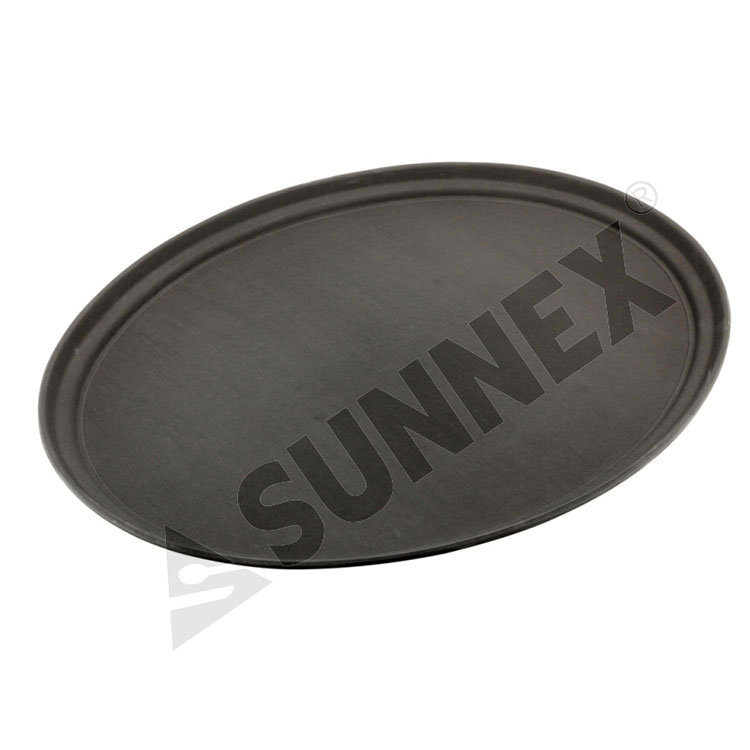
Table of Contents
- 1. What Is a Serving Tray?
- 2. How Does a Serving Tray Improve Daily Efficiency?
- 3. Common Customer Pain Points Solved by Serving Trays
- 4. Types of Serving Trays
- 5. Material Comparison and Performance
- 6. How to Choose the Right Serving Tray
- 7. Maintenance and Care Tips
- 8. Frequently Asked Questions
- 9. Conclusion
1. What Is a Serving Tray?
A serving tray is a flat, portable platform designed to carry food, beverages, or other items efficiently from one location to another. It is commonly used in households, hospitality environments, and catering services. Serving trays come in various shapes, sizes, and materials, each tailored for specific functions.
Modern serving trays are engineered not only for utility but also for aesthetic appeal. From minimalist designs to luxury finishes, they contribute to both convenience and visual presentation.
2. How Does a Serving Tray Improve Daily Efficiency?
A serving tray significantly enhances workflow by allowing multiple items to be transported simultaneously. This reduces time, effort, and the risk of accidents.
- Improved Organization: Keeps items grouped and easy to manage
- Reduced Trips: Carry multiple dishes or drinks at once
- Enhanced Safety: Minimizes spillage and dropping risks
- Professional Presentation: Improves the visual appeal of serving
In commercial environments such as restaurants, efficiency directly impacts service speed and customer satisfaction. A well-designed serving tray becomes an essential operational tool.
3. Common Customer Pain Points Solved by Serving Trays
Customers often encounter challenges when serving food or drinks without proper tools. A serving tray addresses several of these issues effectively.
- Unstable Carrying: Anti-slip surfaces provide better grip
- Messy Presentation: Organized layout enhances appearance
- Limited Capacity: Larger trays increase carrying volume
- Durability Concerns: High-quality materials ensure long-term use
Brands like Sunnex focus on combining durability with ergonomic design, ensuring that their serving trays meet both functional and aesthetic expectations.
4. Types of Serving Trays
Different environments require different tray designs. Understanding these variations helps in selecting the most suitable option.
- Round Serving Trays: Ideal for beverage service
- Rectangular Trays: Suitable for meals and multiple dishes
- Compartment Trays: Useful for organized food separation
- Decorative Trays: Designed for presentation and display
- Non-Slip Trays: Feature textured surfaces for stability
Each type serves a unique purpose depending on the setting and usage frequency.
5. Material Comparison and Performance
| Material | Advantages | Best Use Case |
| Plastic | Lightweight, affordable, easy to clean | Casual and high-volume use |
| Stainless Steel | Durable, hygienic, corrosion-resistant | Professional kitchens |
| Wood | Elegant appearance, natural feel | Home and decorative serving |
| Melamine | Impact-resistant, versatile design | Restaurants and catering |
| Glass | Premium look, smooth surface | Luxury presentation |
Choosing the right material directly impacts durability, maintenance, and user experience.
6. How to Choose the Right Serving Tray
Selecting a serving tray requires careful consideration of several factors to ensure optimal performance.
- Purpose: Home use, commercial service, or decorative display
- Size: Based on the volume of items to be carried
- Weight: Lightweight trays reduce user fatigue
- Grip: Non-slip surfaces improve safety
- Durability: Essential for frequent or heavy-duty use
Sunnex offers a wide range of serving trays designed to meet diverse operational needs, combining reliability with modern design.
7. Maintenance and Care Tips
Proper maintenance ensures the longevity and hygiene of your serving tray.
- Clean regularly with mild detergent
- Avoid abrasive cleaning tools
- Dry thoroughly to prevent moisture damage
- Store in a dry, safe location
Regular care not only extends the product life but also maintains its appearance and safety standards.
8. Frequently Asked Questions
Q1: What size serving tray is best for daily use?
Medium-sized trays are generally ideal for daily use, offering a balance between capacity and ease of handling.
Q2: Are non-slip trays necessary?
Yes, especially in professional settings where stability and safety are critical for carrying drinks and food.
Q3: Which material is the most durable?
Stainless steel and melamine are among the most durable options, suitable for frequent and heavy-duty use.
Q4: Can serving trays be used for decoration?
Absolutely. Many trays are designed to serve as decorative pieces for coffee tables, dining setups, or special occasions.
9. Conclusion
A serving tray is a versatile and essential tool that enhances efficiency, safety, and presentation across various environments. Whether for home use or professional service, investing in the right serving tray can significantly improve daily operations and user experience.
Sunnex continues to deliver high-quality serving solutions that combine functionality with refined design, meeting the evolving needs of modern users.
If you are looking for durable, stylish, and performance-driven serving trays, contact us today to discover how our solutions can elevate your serving experience and meet your business or household needs.
Previous:No News
Send Inquiry



X
We use cookies to offer you a better browsing experience, analyze site traffic and personalize content. By using this site, you agree to our use of cookies.
Privacy Policy